Seamless Digital Business Setup UK for Expats: Your Comprehensive Guide

Seamless Digital Business Setup UK for Expats: Your Comprehensive Guide
The United Kingdom stands as a global hub for innovation, offering a thriving ecosystem for digital businesses. For expats looking to leverage this vibrant market, understanding the intricacies of digital business setup UK for expats is crucial. This guide provides a detailed roadmap to help you establish and grow your online venture successfully in the UK.
Why Choose the UK for Your Digital Business?
The UK boasts a robust digital infrastructure, a highly skilled workforce, and a supportive regulatory environment. Its strategic location and access to European and international markets make it an attractive destination for digital entrepreneurs. Whether you’re launching an e-commerce store, a SaaS platform, or a digital marketing agency, the opportunities are vast.



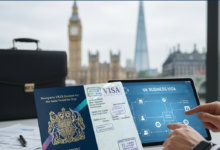


Essential Steps for Digital Business Setup UK for Expats
Setting up a digital business involves several key stages, from legal registration to financial management. Expats need to pay close attention to specific requirements.
1. Choosing Your Business Structure
The first critical decision is selecting the right legal structure for your digital business. The most common options include:
- Sole Trader: Simple to set up, but you are personally liable for all business debts. Ideal for low-risk, small-scale ventures.
- Limited Company (Ltd): A separate legal entity from its owners, offering limited liability. This structure provides a professional image and can be more tax-efficient for higher profits, though it involves more administrative duties.
- Partnership: Suitable if you’re setting up with one or more individuals, sharing profits and responsibilities.
For most digital businesses aiming for growth and investment, a Limited Company is often the preferred choice due to its liability protection and credibility.
2. Registering Your Business
Once you’ve chosen a structure, registration is the next step. For a Limited Company, you’ll need to register with Companies House. This involves:
- Choosing a unique company name.
- Having a registered office address in the UK.
- Appointing at least one director (who can be an expat).
- Issuing shares to at least one shareholder.
Simultaneously, you must register your business with HMRC (HM Revenue & Customs) for tax purposes, regardless of your chosen structure. This ensures you comply with UK tax laws from the outset.

3. Opening a UK Business Bank Account
This can be a significant hurdle for expats without a long UK credit history. Many traditional banks require proof of UK residency, but several challenger banks and online financial services cater specifically to international entrepreneurs. Research options that offer straightforward account opening processes and integrate well with digital payment systems.
4. Navigating UK Taxation for Expats
Understanding UK tax obligations is vital for any digital business setup UK for expats.
- Corporation Tax: Applies to Limited Companies’ profits.
- Income Tax & National Insurance: If you’re a sole trader or take a salary from your Ltd company, you’ll pay these.
- VAT (Value Added Tax): If your taxable turnover exceeds the VAT threshold (currently £90,000 per year), you must register for VAT. Digital services often have specific VAT rules.
- Self-Assessment: All self-employed individuals and company directors must file an annual Self-Assessment tax return.
It’s highly recommended to consult with an accountant specializing in expat businesses to ensure full compliance and optimize your tax strategy.
5. Essential Digital Tools and Infrastructure
Your digital business will rely heavily on technology. Consider the following:
- Website Hosting & Domain: Secure reliable hosting and a relevant domain name (.co.uk or .com).
- E-commerce Platform: (e.g., Shopify, WooCommerce) if you’re selling products online.
- Cloud Services: For data storage, collaboration, and scalable computing power.
- Accounting Software: (e.g., Xero, QuickBooks) to manage finances, track expenses, and prepare for tax returns.
- Payment Gateways: Integrate secure payment solutions like Stripe, PayPal, or Square.
Visa and Immigration Considerations
While this guide focuses on the business setup, remember that your right to reside and work in the UK is paramount. Ensure you have the appropriate visa (e.g., Innovator Founder visa, Skilled Worker visa) that permits you to run your business or be self-employed. Seek immigration advice if you are unsure.
Conclusion
The journey of digital business setup UK for expats can be incredibly rewarding. By carefully navigating the legal, financial, and administrative requirements, and leveraging the UK’s dynamic digital landscape, expats can build successful and sustainable online ventures. Thorough planning, professional advice, and a clear understanding of your obligations will pave the way for your success in the vibrant UK market.